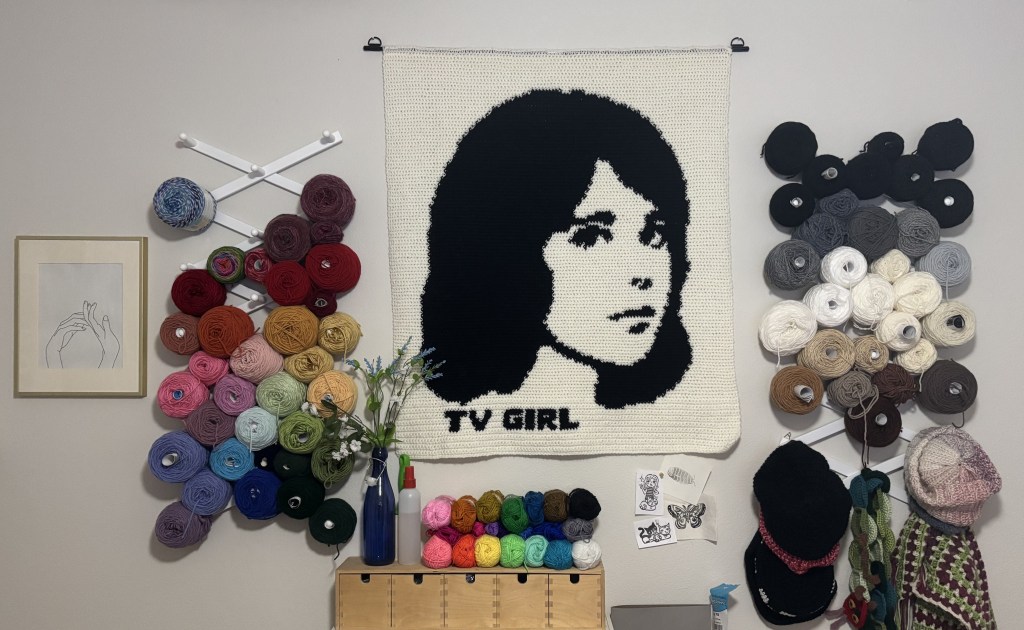
When first learning how to crochet, you really only need two things — a crochet hook and some yarn. These can be found at most craft stores, dollar stores, and even thrift shops. Choosing the right hook and yarn size can be overwhelming, but here are some tips on getting started
Yarn Information
When you are looking to purchase a ball of yarn, the label will provide you will all the information you need to choose the right yarn for your project


- Brand and Yarn Name
- This is the company that created the yarn, and their specific name for the yarn
- Yarn physical weight
- This is the total weight of the yarn ball/skein – some patterns will include the weight of yarn needed to indicate how much yarn is needed for a project
- Yarn length
- This is the total length of the yarn ball/skein – some patterns will include this instead of the weight to indicate how much yarn is needed for a project
- Yarn weight category
- Some people just refer to this as the yarn weight – this indicates the thickness of the yarn. Depending on what you are wanting to make, you will need to choose a specific weight of yarn. Most of the things I make are in size 4 yarn, but the pattern will indicate what is needed.
- The sizes range from 0 -7:

- Gauge
- This will list the recommended hook size (and needle size for knitting) for the yarn, and how many rows and single crochets it would take to make a gauge swatch (usually this is a 4in x 4in square).
- For example, the yarn pictured should make a 4in x 4in square using a 4mm crochet hook with 20 rows of 16 single crochets per row.
- It is not required to use the hook size listed, but it is a good starting point if you don’t know which hook size to use when first starting off!
- A gauge swatch is used as a sample to make sure your final project will be the correct size according to the pattern. It can be common for your gauge swatch not match the pattern’s because of your difference in tension (how tightly you crochet your stitches), but you can always increase or decrease your hook size to change the size of your gauge swatch to match what is needed!
- This will list the recommended hook size (and needle size for knitting) for the yarn, and how many rows and single crochets it would take to make a gauge swatch (usually this is a 4in x 4in square).
- Yarn material
- This is the material that the yarn is made of – usually the options are wool, cotton, acrylic, or a blend of these.
- Which material you chose is entirely up to you depending on your budget or specific needs.
- Acrylic tends to be the cheapest option and is accessible to most people, but you shouldn’t use it for anything that may come in contact with heat since the fibers can melt!
- Cotton is more breathable and a good option for making summer clothing. It is also best for potholders and coasters since it can handle heat.
- Wool is the most expensive and is best for making winter clothing since it tends to be heavy and insulating.
- Wash instructions
- These are the wash and care instructions for any projects made with the yarn
- Dye lot
- This is the information on the exact factory color the yarn has been dyed. If you are buying multiple balls/skeins of yarn, the colors could be slightly different depending on the Dye Lot number — you can check that each yarn has the same Lot # to ensure they are the exact same color!
- Color Name
- This is the brand’s name for the color of yarn. Usually it will be above the barcode on the label.
It’s good to keep your yarn labels in case you run out of yarn halfway through a project, or you want to make something else with the same yarn and need to know what kind to purchase again.
Hook Information
Crochet hooks come in a much wider size variety than yarn. They can also be made of different materials, but which material you use is really up to preference. Most standard crochet hooks are made of metal, with the larger hooks being made of plastic or wood.
As a beginner, it’s best to try out different hooks to see what works best for you and the kind of projects you are wanting to make.
The size of the hook will usually be on the handle of the hook in millimeters (mm). Sometimes the sizes are referred to in letters (B-Q), but this isn’t as common.
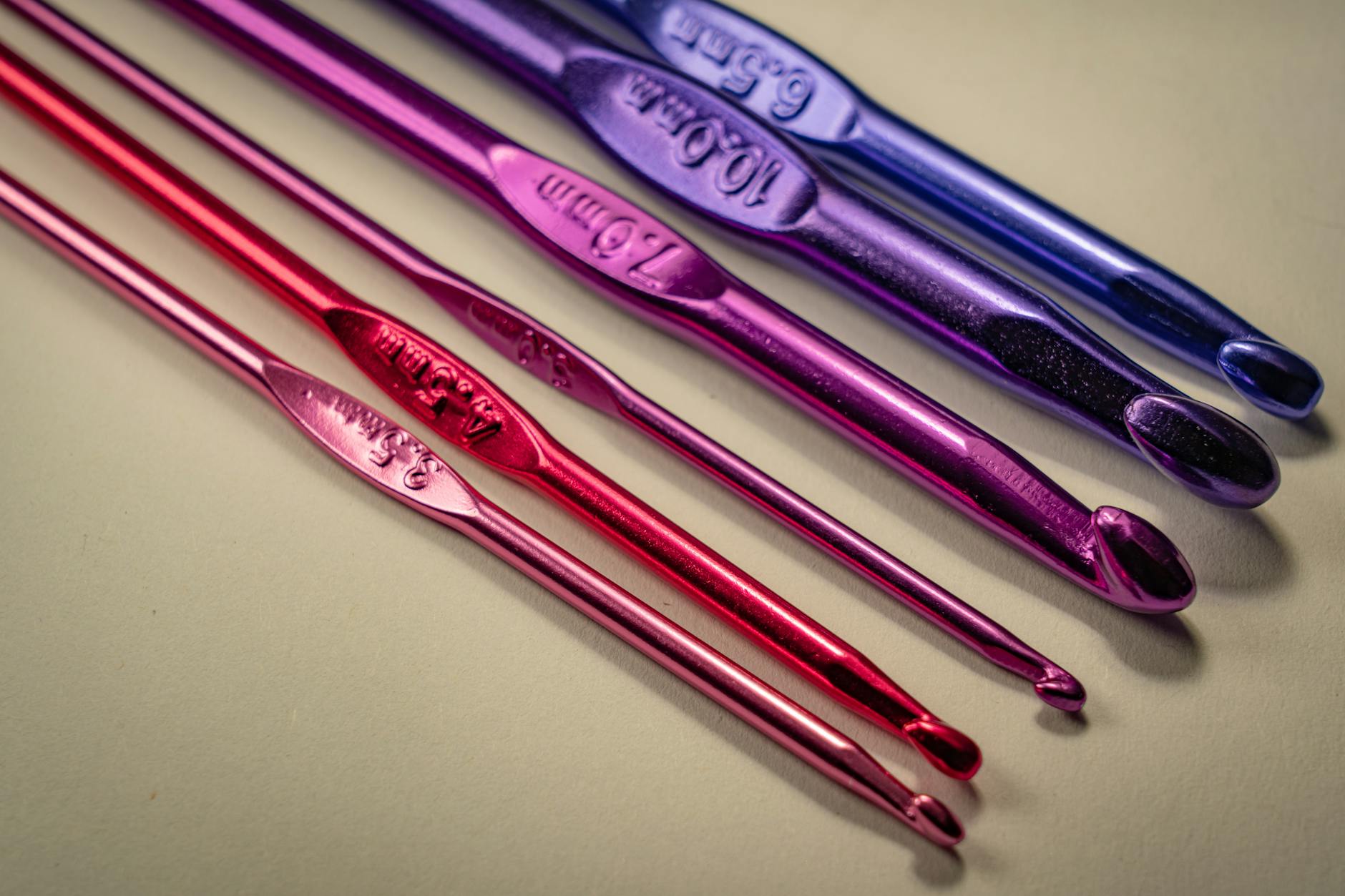
Typically, a pattern will tell you which hook size you should use, but you can also use the Gauge information from the label on a ball/skein of yarn to help you determine which hook to use.
Experiment!
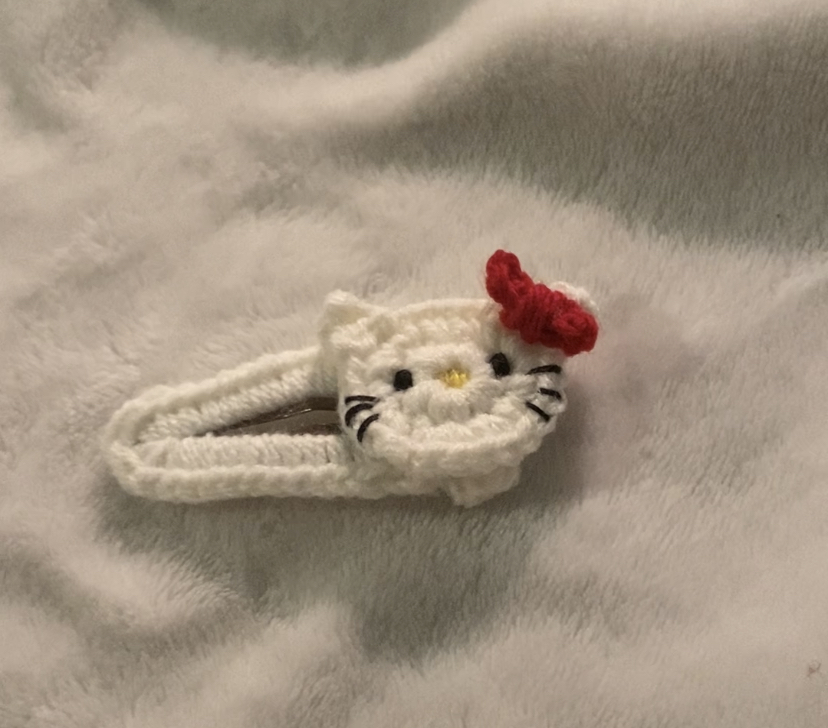
There are no absolutes in crochet! You can use a very small hook with medium weight yarn to make the stitches very small and detailed like this little hair clip:
Or you can use a large crochet hook with fine yarn to create a more chain-looking effect like this bolero:
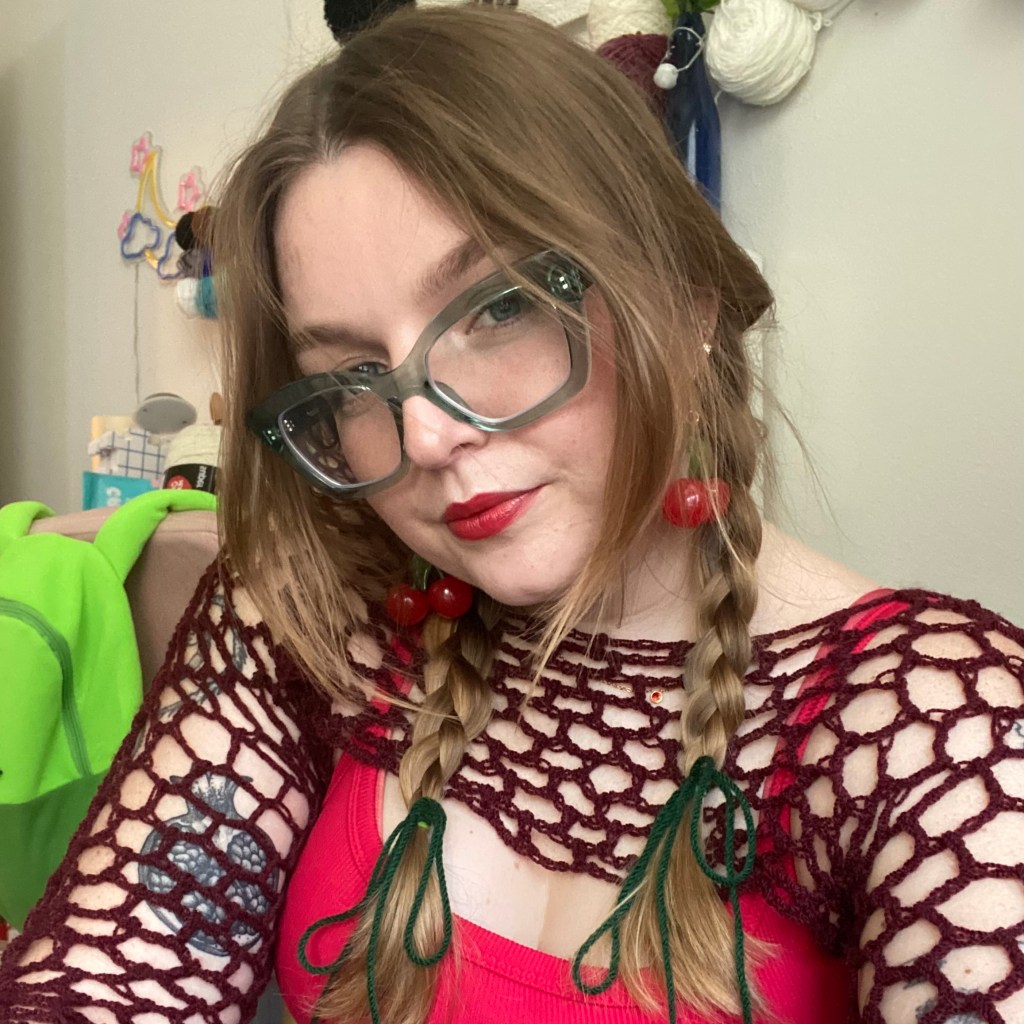
Have fun with it and try different combinations to see what kinds of things you can make!
 Lunar Noonar Loops
Leave a comment